

Our offers / Government Efficiency

01 · Government Efficiency

Stronger institutions. Controlled spending. Delivered priorities.

FMA helps governments move beyond siloed administration towards a more coordinated, functional model of government. Drawing on the reforms led by Lord Maude as UK Minister for the Cabinet Office, we work alongside ministers and senior officials to establish functional leadership, strengthen controls over public spending, develop professional commercial capability and optimise government property.

Our approach is practical and grounded in the realities of government. We help establish the institutions, rules and capabilities needed to control expenditure, improve delivery and sustain reform.

The government challenge

Governments face growing demands, constrained budgets and rising expectations for better public services. Yet essential cross-government functions — including finance, procurement, digital, major projects and property — frequently operate in separate organisational silos.

Without effective central leadership, standards can vary across ministries, specialist capability becomes fragmented and decision-makers lack timely management information. Government bodies may procure similar goods independently, retain underused property and commit to discretionary spending without sufficient central scrutiny.

These weaknesses create avoidable costs, reduce transparency and constrain the resources available for frontline services. Lasting efficiency reform therefore requires more than expenditure reductions: it requires stronger central institutions, professional capabilities and practical mechanisms for implementation.

How FMA can help

5 ways we work with governments.

01Functional Leadership

Turn fragmented capability into coordinated government leadership.

Without strong functional leadership, ministries often manage their finance, commercial, digital, property and project delivery functions independently, applying different standards and duplicating specialist capabilities. Expertise becomes fragmented, good practice is difficult to share and the centre of government lacks visibility over systemic weaknesses.

FMA helps governments design and establish a functional model, bringing together cross-government heads of function with clear mandates, common standards, professional career frameworks and the authority to challenge departmental plans.

Our support includes designing governance arrangements, advising on the legal and institutional framework, sequencing implementation, supporting the recruitment and onboarding of functional leaders, and strengthening management information.

Drawing on the UK Government's functional reforms and adapting them to each country's constitutional and political context, we help create a centre of government capable of setting direction, developing professional capability and improving accountability across ministries.

What this gives you

A functional operating model tailored to government priorities, including mandates, common standards, governance arrangements and a phased implementation roadmap, together with practical support to establish the initial functional leadership team.

Selected experience

UK GOVERNMENT · 2010–2015

Functional Model and the Efficiency and Reform Programme

Under Lord Maude's leadership as Minister for the Cabinet Office, the UK Government established cross-government functions covering commercial, digital, property and major projects, supported by central spending controls.

£18.6bn

Reported by the UK Government in 2014/15 against a 2009/10 baseline.
Discuss your priorities
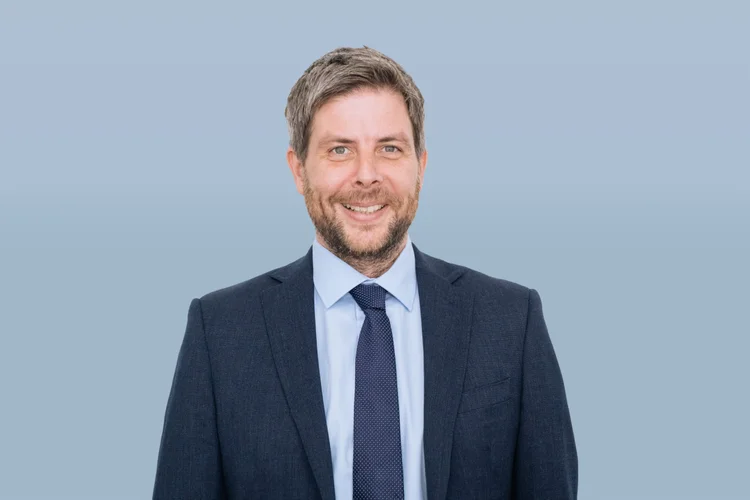
Portrait of Gerry Duignan

Your Functional Leadership lead

Practical experience.
Personal commitment.

Gerry Duignan

Director

Gerry leads FMA’s Commercial & Procurement work. He has over 10 years’ experience in government procurement, and has earned an impressive record of procurement savings for various government ministries, including the Ministry of Housing and the Department for the Environment. Gerry also played a key role in the design and build of the commercial function for the new Department of International Trade, which was nominated for a Chartered Institute of Procurement & Supply award in 2019.


Meet Gerry

02Government Procurement

Make every government contract deliver greater value.

Government departments spend substantial sums on goods and services, often purchasing independently and managing contracts inconsistently. This can result in inefficient expenditure, unnecessary commercial risk and missed opportunities to leverage government's collective buying power.

FMA supports procurement reform across three interconnected areas: organisational optimisation, policy and regulation, and cost reduction.

We work alongside government procurement teams to develop professional commercial functions, strengthen procurement rules, design category strategies and review strategically important contracts.

Where centralised purchasing offers value, we support its establishment. Where the principal challenge is limited capability, we help teams build commercial expertise through practical delivery on live procurement activities.

Our approach draws on the UK's experience of establishing the Crown Commercial Service and Government Commercial Function, adapted to local legal frameworks, market conditions and the requirements of development partners.

What this gives you

A procurement diagnostic covering organisational capability, policy and regulation, and cost reduction opportunities, together with agreed support to develop category strategies, review contracts and strengthen commercial capability.

Selected experience

UK GOVERNMENT · 2010–2015

Commercial Reform

The UK Government introduced centralised purchasing arrangements, strengthened contract management and implemented controls across areas including agency staffing, advertising and marketing.

The wider programme reported £6.1 billion in commercial savings in 2014/15, and the renegotiation of the DVLA's IT contract delivered £57 million in savings over its term.

£6.1bn

Commercial savings reported by the UK Government in 2014/15.

Discuss your priorities

A Gulf digital government authority · 2022

Digital procurement framework agreements

FMA defined a target future state for digital procurement, recommended earlier engagement through feasibility studies and business cases, established a quarterly procurement pipeline, and drafted amendments to a Cabinet resolution to strengthen enforcement authority.

The project supported the launch of the authority's first procurement framework agreement for digital infrastructure and enabled the delivery of new digital services pilots.

Discuss your priorities

Greece · 2024

Procurement Operational Transformation

FMA assessed procurement operations across the National Investment Fund of Greece, Growthfund's, 12 group companies, identifying opportunities to reduce duplication, strengthen commercial capability and improve procurement efficiency.

The engagement resulted in a proposed group-wide procurement operating model and implementation roadmap, both approved by Growthfund, supported by a framework for measuring financial and operational improvements.

Discuss your priorities

Togo · 2025

Procurement and Public Service Efficiency

FMA supported the Ministry of Digital Economy and Transformation in Togo in designing a Strategic and Commercial Procurement Function to strengthen procurement capability, commercial performance and the delivery of government priorities.

The engagement produced a practical implementation roadmap covering governance, staffing, capability development and improvements to procurement planning and oversight.

Discuss your priorities
Portrait of Gerry Duignan

Your Government Procurement lead

Practical experience.
Personal commitment.

Gerry Duignan

Executive Director, Procurement

Gerry leads FMA’s Commercial & Procurement work. He has over 10 years’ experience in government procurement, and has earned an impressive record of procurement savings for various government ministries, including the Ministry of Housing and the Department for the Environment. Gerry also played a key role in the design and build of the commercial function for the new Department of International Trade, which was nominated for a Chartered Institute of Procurement & Supply award in 2019.

Meet Gerry

03Spend Controls

Scrutinise major spending decisions before commitments are made.

Many governments review expenditure after the event, through audits and accounts that arrive long after funds have been committed. By then, inefficient or unnecessary spending can be difficult to recover.

FMA helps governments introduce real-time scrutiny over discretionary and higher-risk expenditure, including consultancy, ICT, advertising, recruitment, property and major contracts above agreed thresholds.

We design the control framework and approval thresholds, help establish a specialist central team authorised to approve, challenge or refuse spending requests, and develop data flows and dashboards that provide government leaders with timely expenditure visibility.

Controls can be introduced in phases and calibrated to protect essential services.

Drawing on UK Government reforms introduced in 2010, FMA combines practical expenditure controls with better management information, enabling governments to identify savings opportunities, strengthen financial discipline and support longer-term reform.

What this gives you

A functioning spending-control framework with defined thresholds, central review arrangements, appropriate approval authority and live reporting, together with support to identify early savings opportunities and contracts suitable for renegotiation.

Selected experience

UK GOVERNMENT ·  2010

Central spend controls

The UK Government introduced central controls over discretionary expenditure, including advertising and marketing, consultancy, ICT, recruitment and property.

These controls strengthened scrutiny over major spending commitments and became an established component of central government financial management.

Discuss your priorities

A MIDDLE EASTERN GOVERNMENT · 2019

Expenditure rationalisation & spending prioritisation

FMA designed and implemented a new spending request and review model covering approximately 1,500 accounting units across a Ministry of Finance and Prime Minister's Office — including expenditure review thresholds, approval processes, supporting regulatory and governance arrangements, and systems to capture operational and capital expenditure. FMA then supported implementation through data cleansing, dashboard development, procurement-aligned reporting, spending analysis and training.

More than 12,500 spending requests were processed over two years and USD 210 million in savings was generated. Improved expenditure visibility supported contract renegotiation, purchasing optimisation and cross-government coordination.

US$210m

Savings generated over two years, across 12,500+ spend requests

Discuss your priorities
Portrait of Martin Richmond

Your Spend Controls lead

Practical experience.
Personal commitment.

Martin Richmond

Director

Martin has had a successful 20-year career in the UK public sector. In senior roles at the Cabinet Office, Martin was responsible for implementing the Efficiency and Reform agenda, with specific responsibility for programme and performance, which ultimately saved billions of pounds for the UK taxpayer.

Meet Martin

04Major Projects

From ambition to delivery.

Most government policies are delivered through major projects and programmes. Success means completion on time, to quality and within budget — miss any one and the economic, social or financial payback is put at risk.

FMA strengthens both the management of individual projects and the institutions behind them: an objective, real-time view of the portfolio at the centre, clear accountability, and leaders equipped to deliver. Support can be a focused intervention or a government-wide programme.

What this gives you

Clearer priorities, stronger oversight and the capability to make delivery last.

Strengthening institutions

Build the foundations
for better delivery.

Five areas of support to strengthen how government chooses, oversees and delivers major projects. We tailor each engagement to your priorities, your institutions and your starting point.

  1. When it helps

    You need to understand whether your institutions or a major project are equipped to deliver.

    Match capability to the demands of delivery.

    We assess organisational maturity across leadership, governance, people, processes and systems. For individual projects, we separately test the capabilities of the sponsor, delivery organisation, supply chain and future operator against the project's complexity and next phase.

    What you receive

    • An evidence-based maturity or project capability assessment.
    • A map of capability gaps and prioritised improvements.
    • An action plan with accountable owners, milestones and follow-up reviews.

Supporting individual projects

Support at the
critical moments.

PROJECT PREPARATION

Set major projects
up for success.

When it helps

You have a major ambition and need a credible basis for committing resources.

Discuss project preparation

We help sponsors agree outcomes, reconcile stakeholder requirements and define scope. We test delivery options, organisational readiness and market capacity, then align the delivery and procurement strategies with the business case.

Support can include early supplier engagement, contract packaging, incentives and risk allocation, with specialist appraisal or technical expertise brought in where required.

What you receive

  • An agreed project brief and prioritised requirements.
  • A delivery and procurement strategy grounded in capability and market evidence.
  • A plan to close readiness gaps before the next investment decision.

PROJECT RECOVERY

Restore control of
projects under pressure.

When it helps

Costs are rising, deadlines are slipping or confidence in the delivery plan is falling.

We establish a reliable picture of delivery and diagnose the causes of underperformance. We help the sponsor assess recovery, rescoping, rephasing or closure. Where continuation is justified, we support an achievable plan with clear accountability and corrective actions.

What you receive

  • An evidence-based diagnosis and options for the sponsor's decision.
  • A recovery plan with owners, milestones and escalation triggers.
  • A cost and schedule baseline for approval, with visible assumptions, risks and changes from original commitments.
Discuss project recovery

OPERATIONS & BENEFITS

Prepare for operations.
Realise the benefits.

When it helps

You need confidence that assets, services and people will be ready, and benefits will be delivered.

We bring future operators into planning early, clarify responsibilities across organisational and technical interfaces, and establish operational acceptance criteria. We help plan whole-life costs and service changes, with named owners accountable for benefits after project closure.

What you receive

  • An operational readiness plan and agreed handover and acceptance criteria.
  • A whole-life cost assessment, supported by specialist expertise where needed.
  • A benefits realisation plan with owners, baselines, measures and review dates.
Discuss readiness & benefits

Each engagement combines practical advice with support for implementation, tailored to the project's stage, complexity and local context.

The FMA approach

Alongside your team.
Through to implementation.

Our experience comes from doing the job in government. We combine that understanding with an approach shaped around your political, institutional and economic context.

  1. 01

    Understand the context.

    Work with leaders, delivery teams and future operators to agree outcomes, understand constraints and identify the decisions ahead.

  2. 02

    Put change into practice.

    Translate recommendations into working arrangements, clear responsibilities and practical support for implementation.

  3. 03

    Make progress last.

    Transfer knowledge, coach your people and embed the skills and routines needed to sustain delivery and measure the benefits.

Selected experience

A MIDDLE EASTERN GOVERNMENT · 2021

Fiscal reform programme management office

FMA helped establish a dedicated Programme Management Office, with milestone plans, impact tracking and reporting structures.

Senior officials gained a central view of delivery, helping them identify risks earlier and take corrective action sooner.

Discuss your priorities

A MIDDLE EASTERN GOVERNMENT  · 2021

A centre for priority delivery

FMA designed and established a priority unit in a Prime Minister's Office, introducing prioritisation, governance, reporting and escalation processes.

Recruitment, training and mentoring helped embed delivery capability and strengthen coordination across ministries.

Discuss your priorities
Portrait of Martin Richmond

Your Major Projects lead

Practical experience.
Personal commitment.

Martin Richmond

Director, Major Projects

Martin brings two decades of UK public sector experience, including senior roles in the Cabinet Office and Major Projects Authority, where he helped develop the government's Project Delivery Function.

At FMA, he applies that experience to major programmes, government reform and delivery oversight.

Meet Martin

05Property Optimisation

Turn the government estate from a cost into an asset.

Governments are often among the largest property owners in their countries, yet many lack a consolidated understanding of what they own, how much it costs and how effectively it is used.

Individual ministries may manage buildings independently, leases can be renewed without sufficient challenge and surplus property may remain idle while additional space is acquired elsewhere.

FMA helps governments manage their estate as a single strategic portfolio. We support the creation of reliable asset registers and occupancy data, introduce controls over leasing decisions and develop rationalisation strategies that consolidate government accommodation and identify opportunities to release surplus assets.

We also help establish the central property management function and governance arrangements needed to sustain improvements.

Drawing on experience of the UK's Government Property Unit and shared-estate model, our approach aims to reduce operating costs, improve space utilisation and unlock the wider value of public assets.

What this gives you

A consolidated picture of the government estate, a costed rationalisation plan identifying quick wins, consolidation and disposal opportunities, and the governance arrangements needed to implement and sustain improvements.

Selected experience

UK GOVERNMENT · 2010–2015

Central estate rationalisation

UK Government reforms introduced greater central oversight of property, disposal of vacant buildings and co-location of departments.

These initiatives formed part of the government's wider transformation programme, which reported £1.5 billion in transformation savings in 2014/15.

£1.5bn

Reported by the UK Government for its wider transformation programme in 2014/15.

Discuss your priorities

A MIDDLE EASTERN GOVERNMENT · 2021

Government property portfolio optimisation

FMA designed and delivered a government-wide property assessment, collecting and analysing information across government entities to establish a consolidated picture of the administrative property portfolio.

The assessment identified opportunities to optimise leased office accommodation, improve compliance with property standards, enhance utilisation of government space and support more flexible working arrangements. FMA subsequently recommended establishing a Central Property Function, supported by a central property management system, a government-wide property strategy and strengthened governance arrangements for long-term optimisation.

Discuss your priorities
Portrait of Gerry Duignan

Your Property Optimisation lead

Practical experience.
Personal commitment.

Gerry Duignan

Director

Gerry leads FMA’s Commercial & Procurement work. He has over 10 years’ experience in government procurement, and has earned an impressive record of procurement savings for various government ministries, including the Ministry of Housing and the Department for the Environment. Gerry also played a key role in the design and build of the commercial function for the new Department of International Trade, which was nominated for a Chartered Institute of Procurement & Supply award in 2019.

Meet Gerry

Our approach

Side-by-side, from first question to lasting capability.

We do not take over the work, nor simply hand over a manual. FMA works alongside the government’s own team and transfers skills to ensure sustainability.

01

Understand

Work with government leaders to understand objectives, constraints and institutional context.

02

Design

Combine practitioner experience, evidence and international benchmarks to develop practical solutions.

03

Deliver

Implement reform side-by-side with government teams, keeping momentum focused on outcomes.

04

Embed

Transfer capability, strengthen institutions and help reform endure beyond FMA’s engagement.

Government Efficiency

Discuss your government’s priorities with FMA.

Discuss your priorities